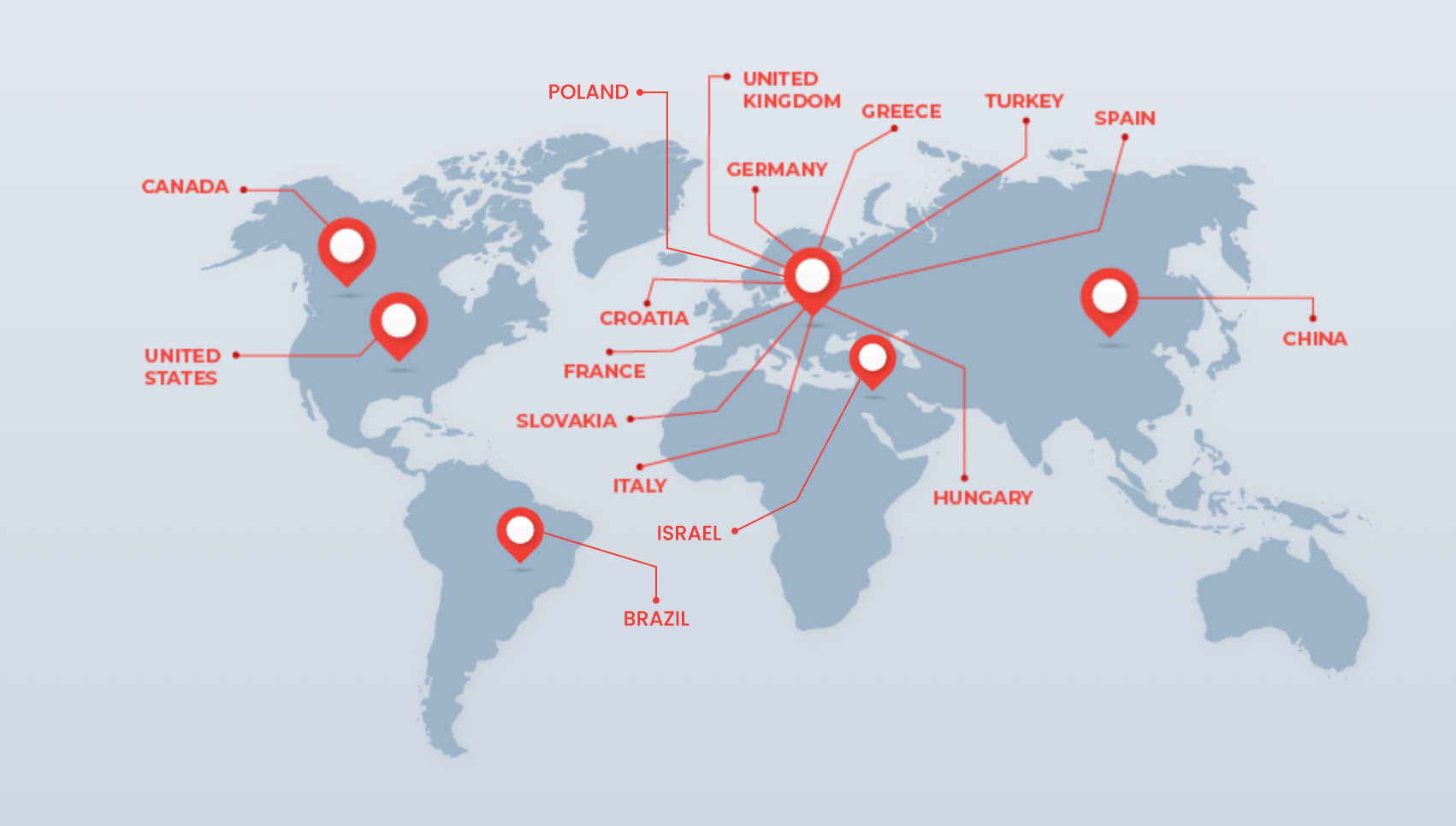
Global clinical development now operates under sustained pressure from two opposing forces. Trial complexity continues to rise through narrower patient populations, adaptive designs, and global execution, while sponsors demand faster timelines and tighter cost control. For CRO leaders, the question is no longer whether to scale, but how to scale with discipline.
High performing CROs deliver increasingly complex programs across geographies while remaining operationally lean. They achieve this by moving beyond incremental hiring and adopting resourcing strategies that place specialized expertise exactly where and when execution requires it, without embedding unnecessary fixed costs.
Rather than expanding permanent headcount, many CROs rely on strategic clinical trial staffing models that emphasize flexibility, precision, and operational alignment. Through these models, organizations such as RapidTrials partner with sponsors and sites to deploy specialized talent on demand, reducing execution risk while maintaining cost predictability.
Fractional and Functional Resourcing as an Operating Strategy
The assumption that scale requires proportional growth in overhead no longer holds. Leading CROs use fractional clinical research models to quickly and efficiently introduce deep expertise.
Fractional resourcing provides access to specialized capabilities during defined phases of a program, including biostatistics, regulatory submissions, and complex monitoring, without long-term employment commitments. This approach allows CROs to respond to shifting demands across multi-phase and multi-country studies while preserving quality and control.
CROs frequently operationalize this approach through Functional Service Provider models, where trusted partners support entire functions. FSP arrangements maintain oversight and consistency while allowing internal teams to remain focused on governance, sponsor relationships, and portfolio-level decision-making.
Fractional models enable continuous capacity adjustment as programs evolve. CROs can scale resources in response to enrollment surges, regulatory changes, or monitoring intensity, then scale down as milestones are achieved. This approach shortens time to fill for critical roles, reduces execution bottlenecks, and aligns spend directly with program milestones.
Decentralization and the Evolution of Talent Requirements
The expansion of patient-centric and decentralized trial designs has reshaped execution models and talent requirements. CROs now require professionals who operate effectively in remote environments, manage telehealth and eConsent platforms, and oversee data generated through digital health technologies.
Decentralized and hybrid models expand patient access, support more diverse enrollment, and reduce dependence on fixed clinical sites. As a result, hybrid execution models that combine essential on-site procedures with virtual interactions have become standard across many therapeutic areas.
Remote monitoring models further enhance efficiency by enabling clinical research associates to oversee multiple sites across time zones through centralized data review tools. At the same time, decentralized execution increases demand for patient-focused roles, such as clinical research patient navigators, who manage logistics, technology support, and ongoing engagement to protect compliance and retention.
Talent Management as a Competitive Lever
For global CROs, competitive advantage increasingly depends on the ability to source, deploy, and manage specialized talent at scale. High-performing organizations treat staffing partners as extensions of their clinical operations teams, aligning closely on standards, culture, and execution expectations.
This model supports proactive resourcing decisions informed by anticipated trial volume, geography, and therapeutic focus rather than reactive vacancy filling. Predictive planning strengthens inspection readiness, execution consistency, and quality control across large programs.
CROs that scale complex trials with lean teams anchor their operating models on three principles: fractional expertise, decentralized execution, and proactive capacity planning. Together, these approaches enable delivery against demanding timelines while preserving quality, compliance, and sponsor confidence.
Looking Ahead
As clinical research continues to evolve, agility in talent strategy will remain a defining capability for CRO leadership. Organizations that integrate flexible, high-quality expertise into their operating models manage complexity more effectively without increasing structural overhead.
For CROs seeking to move beyond traditional resourcing constraints, strategic talent models that scale with program needs rather than organizational size now sit at the center of sustainable, world-class clinical trial delivery.