Early phase oncology trials represent some of the most operationally complex work in clinical development. These studies often combine first in human dosing, adaptive designs, intensive safety monitoring, and compressed timelines, all while operating under heightened regulatory and ethical scrutiny.
In this environment, execution depends heavily on access to experienced, oncology-focused clinical research talent that can operate effectively amid uncertainty. Staffing strategy, therefore, plays a direct role in study momentum, data quality, and patient safety, particularly during early development when protocols evolve rapidly, and operational tolerance for error is low.
Talent Requirements in Early Phase Oncology
Early phase oncology trials place distinct demands on clinical research teams. Talent supporting these studies must bring not only technical competence, but also therapeutic depth, situational judgment, and the ability to integrate quickly into fast moving programs.
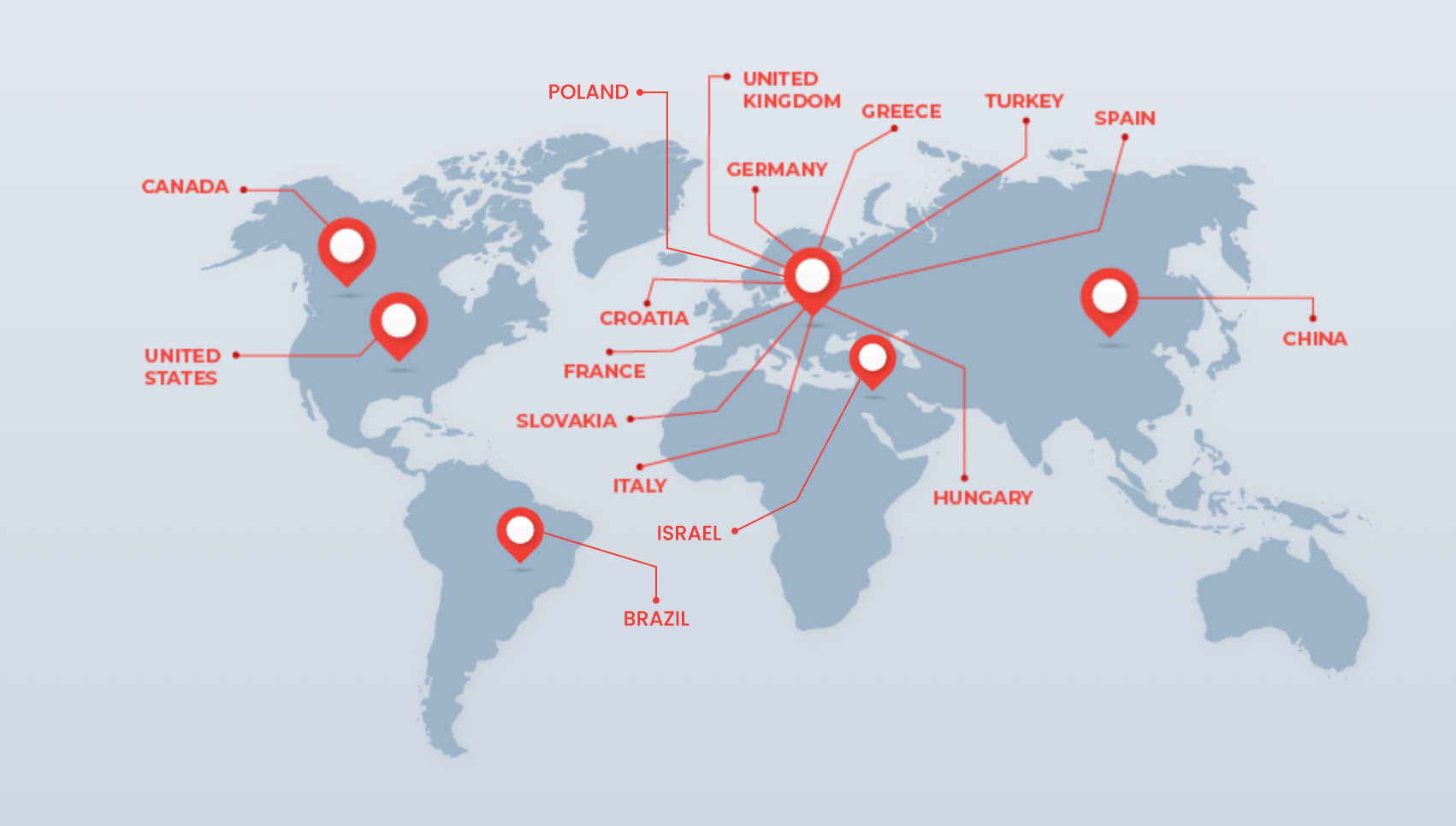
Key roles such as clinical research nurses, cohort managers, and early phase coordinators often operate at the intersection of protocol execution, patient safety, and sponsor communication. These professionals manage frequent protocol amendments, intensive visit schedules, dose escalation cohorts, and real-time safety data, frequently across multiple sites or geographies.
As a result, generic staffing approaches often fall short. Early-phase oncology programs benefit from talent with direct experience in similar study designs and an understanding of the operational realities of oncology research, rather than having to learn them in real time.
On-Demand Talent for Variable Study Conditions
Early-phase oncology trials rarely progress in a linear fashion. Enrollment rates fluctuate, safety signals emerge, and cohort expansion decisions can change staffing requirements with little notice. Fixed, full-time resourcing models can struggle to accommodate this variability without creating inefficiencies or delays.
Flexible and on-demand staffing models allow sponsors and CROs to align talent deployment with study intensity. By engaging experienced professionals at defined points in the trial lifecycle, organizations can maintain execution continuity without carrying unnecessary fixed capacity during slower periods
This approach supports faster response to unanticipated needs such as additional cohort coverage, enhanced safety monitoring, or accelerated site activation, all of which are common in early-phase oncology development.
Operational Insight Informed by Site Experience
Effective early phase execution requires a clear understanding of how oncology trials function at the site level. Patient scheduling constraints, infusion logistics, safety reporting timelines, and coordination with investigators and institutional review boards all shape day-to-day operations.
Staffing partners with firsthand experience in site operations are better positioned to match talent not only to protocol requirements, but also to real-world workflows. This operational context reduces onboarding time and helps ensure that deployed professionals can contribute quickly without disrupting existing processes.
Flexible Models to Support Evolving Programs
Early phase oncology portfolios often include multiple concurrent studies at different stages of development. Staffing needs may shift between start up, dose escalation, cohort expansion, and transition to later phase planning.
Flexible staffing models, including interim roles, project based support, embedded talent, and remote or hybrid positions, allow organizations to adjust resourcing as programs evolve. These models support multisite and decentralized execution strategies while maintaining alignment with sponsor and CRO oversight structures.
Rather than treating staffing as a one time decision, this approach positions talent as a scalable resource that adapts alongside the study.
Performance and Continuity
Consistency of execution is particularly important in early phase oncology, where data from small patient populations can have an outsized influence on development decisions. Talent continuity supports protocol adherence, safety oversight, and data integrity across cohorts and amendments.
Repeat engagement from sponsors and CROs often reflects confidence in this model, though outcomes necessarily vary based on study design, indication, and site performance. What remains consistent is the value of aligning experienced oncology talent to the specific demands of early phase trials.
Looking Ahead
As oncology pipelines continue to expand and early phase designs grow more complex, staffing strategy will remain a critical lever in development execution. Organizations that approach talent planning with the same rigor applied to protocol design and operational planning are better positioned to manage risk and maintain momentum.
Early phase oncology trials demand precision, adaptability, and experience. Staffing models that reflect these realities will play an increasingly important role in advancing promising therapies efficiently and responsibly.