The drug development sector is marked by fluctuations in study volume, protocol complexity, and regional staffing demands. For Contract Research Organizations (CROs), maintaining a purely fixed workforce model can be difficult in an environment where operational needs change rapidly across studies, therapeutic areas, and geographies.
As a result, many CROs use a blended workforce approach that combines full-time employees with contract or contingent specialists. This model helps organizations preserve institutional knowledge and sponsor continuity while adding flexibility for niche expertise, temporary workload surges, and geographic expansion. Functional outsourcing and flexible staffing models have been widely used in clinical research for many years and continue to evolve as sponsors expect greater speed, specialization, and operational reach.
Industry groups and workforce studies have also highlighted the operational strain placed on research teams during periods of rapid trial expansion. Research from other industry sources has examined how workforce pressure, turnover, and burnout can affect study execution and site stability, particularly following the COVID-19 pandemic.
Full-time employees typically provide leadership continuity, sponsor-facing consistency, and long-term organizational alignment. Contract professionals, meanwhile, can add specialized expertise for specific protocols, regions, or therapeutic areas that may not be required permanently across an entire portfolio.
Importantly, the effectiveness of blended staffing models depends heavily on thoughtful integration, clear oversight, and strong onboarding practices. Poor onboarding processes or repeated turnover can increase coordination burdens on permanent teams rather than reduce them. Workforce flexibility therefore works best as one component of a broader operational strategy rather than as a standalone solution for clinical execution challenges.
- Full-time employees provide continuity, leadership, and sponsor relationship stability.
- Contract professionals can offer targeted expertise for specific programs, regions, or therapeutic areas.
- Blended staffing models may help organizations manage workload fluctuations more effectively when implemented with strong oversight and onboarding.
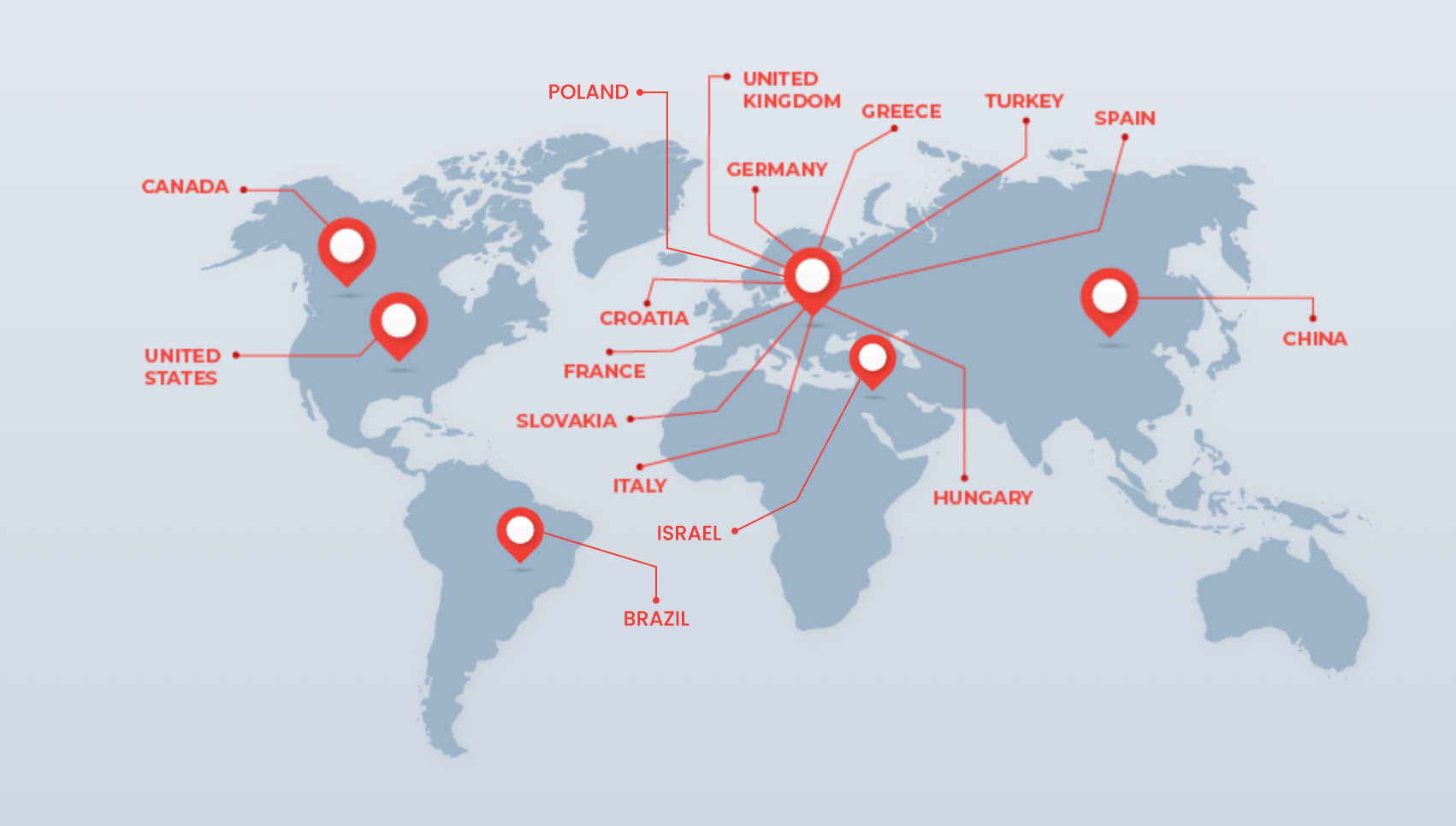
Geographic flexibility can allow CROs to deploy local expertise in emerging markets without establishing permanent infrastructure in every location.
Achieving Execution Readiness Through Workforce Flexibility
Clinical research has become increasingly specialized, particularly as decentralized approaches, digital technologies, and more complex protocols reshape operational requirements across study phases. In this environment, workforce flexibility can help CROs adapt more efficiently to changing execution demands.
A blended model allows organizations to supplement internal teams with specialized contract expertise when needed, particularly during periods of rapid growth, enrollment acceleration, or operational transition. Rather than replacing permanent teams, contingent professionals are often used to support specific workstreams or temporarily expand capacity.
The operational pressures experienced during the COVID-19 vaccine trials provided one of the clearest examples of how rapidly staffing needs can change across the clinical research ecosystem. Sites, CROs, and sponsors were required to scale enrollment operations, patient communication, monitoring, and data management at unprecedented speed while maintaining regulatory oversight and protocol compliance. Many organizations relied heavily on temporary staffing models and functional outsourcing to manage the sudden surge in workload.
More recently, the rapid expansion of obesity and metabolic disease pipelines involving GLP-1 therapies has created another wave of operational demand across research sites. These studies often involve large patient populations, long follow-up periods, high participant engagement requirements, lifestyle counseling components, and increasingly competitive enrollment dynamics. The growth of GLP-1 development programs has contributed to rising demand for coordinators, patient navigators, dietitians, and site support personnel with experience managing high-volume metabolic studies.
When implemented effectively, blended workforce structures may allow CROs and sponsors to respond more quickly to these types of operational surges without permanently expanding internal headcount.
- Fractional clinical research experts may support specialized workstreams such as regulatory submissions, medical writing, or therapeutic area consulting.
- Site augmentation models can provide temporary operational support during peak enrollment periods or high workload phases.
- Clinical trial staffing partners may help organizations access pre-vetted professionals familiar with modern eClinical platforms and trial workflows.
Optimizing Site Performance with Augmented Support
Research sites often experience operational strain during enrollment surges, staffing shortages, or highly complex protocol periods. In these situations, supplemental site support can help stabilize workflows and reduce pressure on existing teams.
Blended hiring models allow CROs and sponsors to deploy experienced contract coordinators, research nurses, patient navigators, dietitians, or other specialists directly into sites when additional support is needed. This approach is commonly used to address temporary capacity gaps rather than replace permanent infrastructure.
For example, many metabolic and obesity studies now require ongoing participant engagement, lifestyle reinforcement, adherence monitoring, and high-frequency communication over extended study durations. These operational demands can place significant pressure on site teams already managing multiple protocols simultaneously. Supplemental support personnel may help sites maintain continuity and patient engagement during these resource-intensive periods.
The effectiveness of site augmentation depends largely on role clarity, communication, and integration with the existing site team. When managed thoughtfully, supplemental support can help sites maintain operational continuity during demanding phases of a study.
Financial Resilience and Operational Risk Management
Clinical development programs remain vulnerable to changing timelines, enrollment delays, protocol amendments, and unexpected study cancellations. Because of this variability, many CROs use blended staffing structures to balance fixed labor costs with operational flexibility.
Contract-based staffing models can enable organizations to scale resources more gradually while preserving core internal leadership and operational oversight. However, contingent workforce models also require strong compliance controls, credentialing processes, and clearly defined responsibilities to avoid introducing additional operational complexity.
In emerging markets particularly, contract-based approaches may offer practical geographic flexibility, though success still depends on local oversight, regulatory understanding, and consistent operational governance.
Supporting the Patient Experience with Specialized Roles
As patient-centricity becomes increasingly important in clinical research, specialized support roles are playing a larger role in study execution. Patient navigators, lifestyle counselors, telehealth support teams, and culturally aligned coordinators are frequently deployed to support participant engagement and retention throughout the clinical trial process.
These roles are often engaged on a flexible or project-specific basis to align with the demographic and geographic needs of individual studies. Human-centered support models may help improve communication, reduce participant confusion, and support continuity across increasingly complex protocols.
Importantly, these approaches are most effective when integrated thoughtfully into the broader operational structure of a study rather than positioned as standalone solutions.
A Future-Ready Workforce Strategy for Clinical Research
CROs operate in a highly variable environment where study volume, protocol complexity, and regional requirements can change quickly. As a result, many organizations use a blended workforce model that combines full-time employees with contract specialists to preserve continuity while adding flexibility for niche expertise, temporary surges, and geographic expansion.
This approach is well established in clinical research, but its effectiveness depends on thoughtful integration, clear oversight, and strong onboarding practices. Rather than replacing permanent staff, contingent talent works best as part of a broader workforce strategy designed to manage complexity and support execution.
The operational realities of COVID-19 vaccine studies and the continuing expansion of GLP-1 and metabolic disease pipelines demonstrate how quickly staffing requirements can evolve in clinical research. Organizations that build flexible, well-integrated workforce strategies may be better positioned to adapt to future shifts in study demand, protocol complexity, and patient support expectations.
How RapidTrials Supports Flexible Clinical Operations
At RapidTrials, we support sponsors, CROs, and research sites by providing experienced clinical research professionals for protocol-specific operational needs. Our focus includes site augmentation, patient-facing support roles, and specialized clinical operations expertise designed to help organizations expand capacity during periods of increased demand.
Rather than positioning contingent staffing as a universal solution, we believe flexible workforce models are most effective when integrated into a broader operational strategy focused on execution quality, communication, and site support.
If your organization is evaluating how to scale clinical operations while maintaining flexibility, RapidTrials can help design a staffing approach aligned with the specific needs of your studies, sites, and regions.