In clinical research, staffing is often discussed as a capacity problem. In reality, it is frequently an execution problem.
Traditional recruiting models work well when roles are standardized, responsibilities are well understood, and success can be defined largely by matching a résumé to a job description. Many life sciences roles fall into this category. Clinical Research Associates, Data Managers, and Clinical Trial Managers typically operate within clearly defined functional frameworks. While individual experience levels vary, the core responsibilities of these roles are relatively consistent across sponsors, CROs, countries, and sites.
Site based roles are different.
And it is in this difference that traditional recruiting models begin to break down.
The Hidden Complexity of Site Based Roles
For decades, CROs and sponsors have focused on refining and systemizing the tasks associated with functional roles such as Clinical Research Associates. This approach to standardizing responsibilities has enabled CROs to grow rapidly and operate at scale across organizations and geographies.
By contrast, research sites have only recently begun efforts to standardize workflows and job definitions, largely driven by large site networks. In those environments, clearly defining how work is performed and how resources are allocated is essential to achieving scale and business goals.
Most research sites, however, remain independent, bespoke entities. Their operating models have evolved locally rather than systematically, resulting in highly variable approaches to allocating responsibilities across site staff. Titles may be consistent, but the underlying work is not.
As a result, roles such as Study Coordinators, Study Nurses, Patient Navigators, and other site embedded positions function differently in practice. The scope of responsibility can vary widely based on site infrastructure, trial complexity, sponsor expectations, and local regulatory norms.
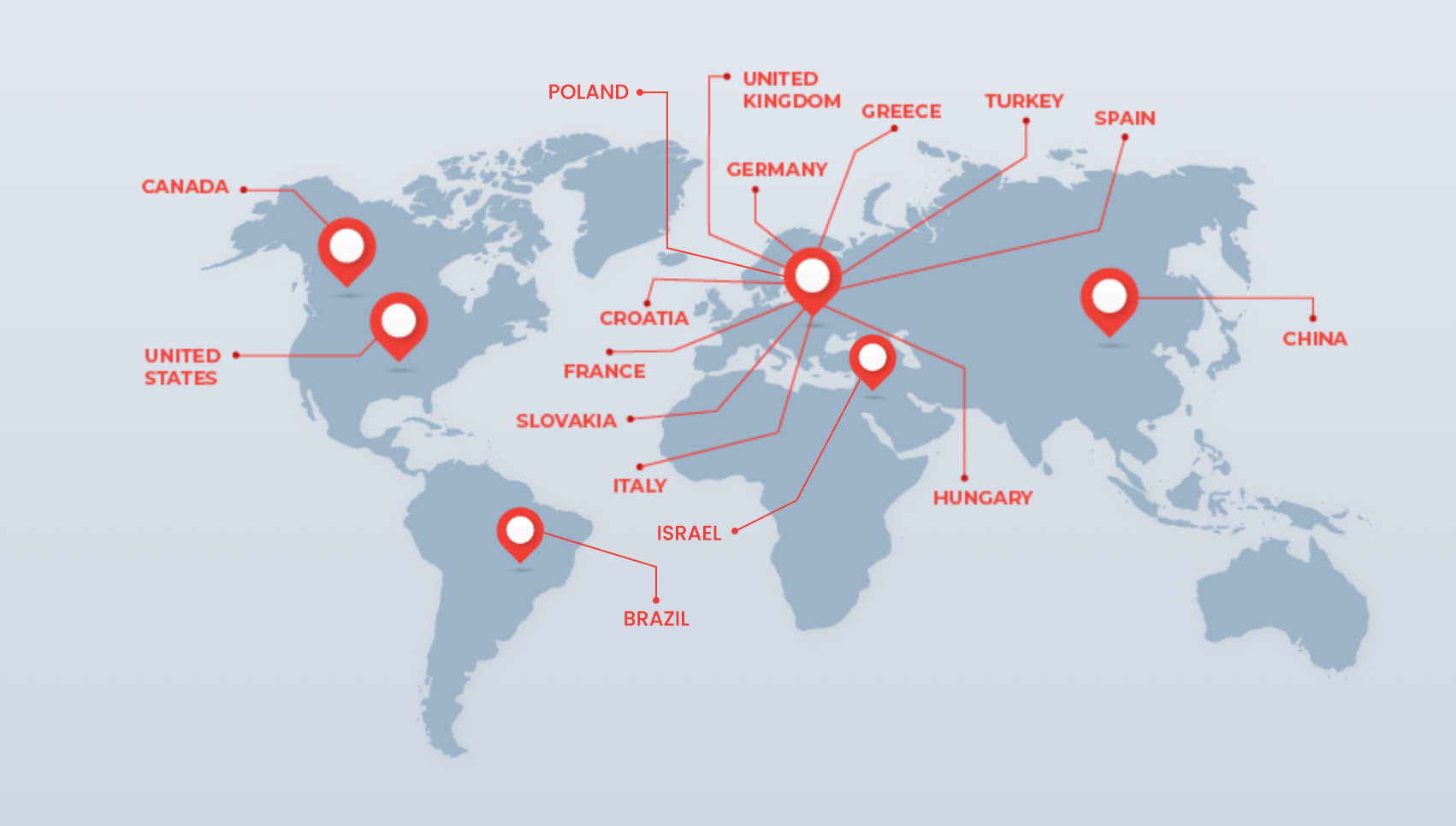
This variability is amplified across geographies. Licensing requirements, labor models, and operational conventions differ by country, making site based staffing far less standardized than many sponsor or CRO roles.
This is not a sourcing problem.
It is an operational understanding problem.
Why Traditional Recruiting Models Struggle Here
Most recruitment firms are designed to optimize for speed, volume, and repeatability. Their strength lies in filling roles where the essential tasks are already systemized across the industry. That model works well when success depends primarily on identifying candidates who meet known criteria.
For site based roles, however, success depends on something else entirely.
It depends on understanding how work actually gets done at the site level.
Without that context, recruiting becomes transactional. Candidates are placed based on title and experience rather than on functional fit within a specific operational environment. When mismatches occur, the cost is not just a delayed hire. It is protocol deviations, missed visits, site frustration, and increased sponsor intervention.
The Case for a More Consultative Staffing Partner
In environments where role definitions vary by site and by country, staffing requires a consultative approach.
A consultative staffing partner brings operational literacy to the recruiting process. This includes understanding how sites function day to day, how responsibilities are distributed, and how sponsor expectations translate into actual workload. It also requires the ability to ask different questions at intake, to qualify both the role and the site, and to align candidate selection with real world execution needs.
Operational experience matters here. It allows staffing partners to interpret job descriptions rather than take them at face value. It enables them to recognize when two sites using the same title are actually asking for very different capabilities. It also allows for more accurate expectation setting with sponsors and CROs about what a role can realistically support.
This is fundamentally different from recruiting standardized functional roles where the essential tasks are already well defined and broadly understood across the industry.
Where RapidTrials Fits
RapidTrials was built around this distinction
The company focuses on site based, protocol specific roles where traditional recruiting models struggle due to variability in scope, geography, and site infrastructure. Rather than competing on volume or speed alone, RapidTrials operates under a disciplined, consultative model that emphasizes alignment between site needs, study obligations, and candidate capability.
The approach reflects a simple premise. When staffing directly impacts a site’s ability to meet its study and patient obligations, the cost of getting it wrong is too high for transactional recruiting.
Choosing the Right Staffing Model
Not every role requires a consultative staffing partner. For many functional positions, traditional recruitment remains effective and appropriate.
The challenge is knowing when recruiting is enough and when it is not.
When roles are standardized, systemized, and consistent across environments, recruiting works.
When roles vary by site, by country, and by operational context, a consultative approach becomes essential.
In today’s clinical trial environment, where site capacity is constrained and protocols continue to increase in complexity, that distinction matters more than ever.